
Utilitech Expansion Tank Water Heater Protection Guide
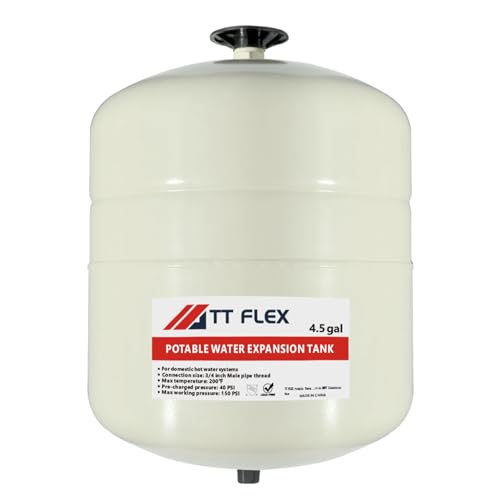
Utilitech 4.5-Gallon Thermal Expansion Tank
Pre-charged diaphragm expansion tank designed for residential water heater protection. Features durable steel construction with corrosion-resistant coating and easy-mount design for standard installations.
Key Features:
- 4.5-gallon capacity for most residential systems
- Pre-charged to 12 PSI factory setting
- Replaceable butyl diaphragm construction
- 100 PSI maximum working pressure
- Corrosion-resistant steel shell
- Standard 3/4-inch NPT connection
- Compact vertical mounting design
- 5-year manufacturer warranty coverage

Utilitech 8.5-Gallon Heavy-Duty Expansion Tank
Large capacity thermal expansion tank for high-demand residential and light commercial applications. Built with reinforced steel construction and advanced diaphragm technology for extended service life.
Key Features:
- 8.5-gallon capacity for larger systems
- Heavy-duty steel shell construction
- High-performance butyl rubber diaphragm
- 125 PSI maximum working pressure
- Anti-corrosion powder coating finish
- Removable air valve for pressure adjustment
- Universal mounting bracket included
- Enhanced warranty protection
What Is a Utilitech Expansion Tank and Why Do You Need One
A utilitech expansion tank serves as a critical safety component in your home’s water heating system, protecting against dangerous pressure buildup caused by thermal expansion. When water heats up inside your water heater, it expands and increases in volume by approximately 2-4%, creating excess pressure that must go somewhere to prevent system damage.
Modern homes with closed-loop plumbing systems, backflow preventers, or pressure-reducing valves particularly benefit from expansion tank installation. Without proper expansion control, the increased pressure from heated water can damage your water heater, stress pipe joints, cause premature fixture failure, and even trigger temperature and pressure relief valve discharge.
Understanding Thermal Expansion in Water Heaters
Thermal expansion occurs naturally whenever water temperature rises, following basic physics principles that govern liquid behavior. As your water heater raises water temperature from incoming supply levels to your set temperature, the heated water requires more space than it occupied when cold.
In older homes with open plumbing systems, this expanding water could flow back into municipal supply lines. However, current plumbing codes require backflow prevention devices that create closed systems, trapping the expanding water inside your home’s plumbing network and necessitating a utilitech expansion tank for proper pressure management.
Signs Your Home Needs an Expansion Tank
Several warning signs indicate your water heating system requires expansion tank protection. Frequent temperature and pressure relief valve discharge, water hammer sounds in pipes, premature water heater failure, or fluctuating water pressure throughout your home all suggest thermal expansion issues.
You might also notice mineral buildup around pipe fittings, leaking at water heater connections, or reduced fixture lifespan as excessive pressure takes its toll. Installing a properly sized utilitech expansion tank addresses these problems by providing a controlled space for thermal expansion.
Utilitech Expansion Tank Installation and Sizing Requirements
Proper sizing ensures your utilitech expansion tank provides adequate thermal expansion protection without oversizing your system unnecessarily. Tank capacity depends on your water heater size, system operating pressure, and the temperature differential between incoming cold water and your heater’s set temperature.
A general sizing rule suggests 1 gallon of expansion tank capacity for every 10 gallons of water heater capacity, though specific calculations should account for your system’s unique characteristics. Professional installation ensures proper placement, pressure settings, and connection integrity for optimal performance.
Installation Location and Mounting Considerations
Your utilitech expansion tank requires installation on the cold water supply line between the water heater and any shutoff valves or check valves. The tank can mount vertically or horizontally depending on available space, though vertical mounting typically provides better diaphragm longevity.
Installation height should allow easy access for future maintenance while ensuring proper pipe support to prevent stress on tank connections. Many installations benefit from a tee fitting with shutoff valve to facilitate future tank replacement without system drainage.
Pressure Pre-Charge Settings and Adjustments
Most utilitech expansion tank models come pre-charged to 12 PSI, suitable for many residential applications with standard municipal water pressure. However, your specific system pressure requirements might necessitate pre-charge adjustments to match your home’s static water pressure for optimal performance.
Pre-charge pressure should equal your system’s static water pressure when no water flows through the system. This balance ensures the diaphragm operates properly, with expanding water compressing the air charge rather than fighting against incorrect pressure settings that reduce tank effectiveness.
Benefits of Installing Utilitech Expansion Tank Protection
Installing a utilitech expansion tank provides multiple benefits that extend beyond basic thermal expansion control, protecting your entire water heating system investment. Proper expansion tank installation significantly extends water heater lifespan by reducing stress on internal components, tank walls, and heating elements.
Expansion tanks also protect your home’s plumbing fixtures, reducing premature wear on faucets, valves, and appliance connections caused by pressure fluctuations. This protection translates to reduced maintenance costs, fewer emergency repairs, and improved system reliability throughout your home.
Water Heater Longevity and Performance
Thermal expansion stress represents one of the primary causes of premature water heater failure, particularly in tank-style units where pressure buildup stresses welded seams and internal components. A properly functioning utilitech expansion tank eliminates this stress by absorbing pressure increases before they affect your water heater.
This protection is especially valuable for high-efficiency water heaters with advanced controls and heat exchangers that can suffer damage from pressure fluctuations. The same protective benefits extend to related components like pressure tanks and other system elements that maintain optimal water pressure throughout your home.
Plumbing System Protection and Reliability
Beyond water heater protection, expansion tank installation safeguards your entire plumbing network from thermal expansion damage. Excessive pressure can stress pipe joints, cause fitting leaks, and reduce the lifespan of appliances connected to your water supply.
Water hammer, that banging sound in pipes when water flow stops suddenly, often results from pressure imbalances that proper expansion tank installation eliminates. Your utilitech expansion tank provides a pressure buffer that smooths out these fluctuations and protects sensitive fixtures throughout your home.
Maintenance and Troubleshooting Your Utilitech Expansion Tank
Regular maintenance ensures your utilitech expansion tank continues providing effective thermal expansion protection throughout its service life. Most expansion tanks require minimal maintenance, with annual inspections and occasional pressure checks representing the primary care requirements.
Inspection should include checking for external corrosion, verifying mounting security, and testing the air pre-charge pressure using a standard tire pressure gauge on the tank’s air valve. Any significant pressure loss or visible damage indicates potential diaphragm failure requiring tank replacement.
Common Expansion Tank Problems and Solutions
Diaphragm failure represents the most common expansion tank issue, typically indicated by waterlogged conditions where the tank feels heavy and produces little or no air pressure when tested. This condition eliminates the tank’s expansion capacity and requires complete unit replacement.
Other problems include air charge loss, connection leaks, or mounting bracket failure. Air charge loss often results from valve core problems similar to tire valve issues, while connection leaks might indicate improper installation or pipe stress requiring professional attention.
When to Replace Your Expansion Tank
Most utilitech expansion tank units provide 5-10 years of reliable service with proper installation and maintenance. However, several conditions indicate immediate replacement needs regardless of tank age, including waterlogged conditions, external corrosion, or repeated air pressure loss.
Signs your expansion tank needs replacement include return of thermal expansion symptoms, visible tank damage, or inability to maintain proper air pre-charge pressure. Modern diaphragm tanks offer improved reliability over older designs, making replacement with current technology a worthwhile investment.
Professional Service and Support
While basic maintenance tasks like pressure checking can be performed by homeowners, installation and major repairs typically require professional plumbing expertise. Proper installation ensures optimal performance and prevents warranty issues that might arise from incorrect mounting or connection procedures.
Professional service also ensures compliance with local plumbing codes and proper integration with other system components like pumps or pressure regulation equipment. Regular professional inspections can identify potential issues before they cause system damage or expansion tank failure.
Choosing the Right Utilitech Expansion Tank for Your System
Selecting the appropriate utilitech expansion tank requires understanding your water heating system’s specific requirements, including heater capacity, operating pressure, and installation constraints. Tank sizing calculations should account for your water heater’s gallon capacity, system pressure, and expected temperature rise to ensure adequate expansion volume.
Consider future system changes when selecting expansion tank capacity, as upgrading to a larger water heater or adding system components might require additional expansion capacity. Choosing a slightly larger tank than minimum calculations suggest provides safety margin and accommodates system modifications.
Capacity and Pressure Rating Considerations
Your utilitech expansion tank must handle your system’s maximum operating pressure with appropriate safety margins built into the design. Most residential systems operate between 40-80 PSI, requiring tanks rated for at least 100-125 PSI maximum working pressure to provide adequate safety factors.
Tank capacity calculations involve multiple factors including water heater size, temperature differential, and system pressure characteristics. While general sizing guidelines provide starting points, specific calculations ensure optimal tank selection for your unique system requirements.
Installation Space and Mounting Options
Available installation space often influences expansion tank selection, with different models offering various mounting configurations and dimensional characteristics. Compact units work well in tight spaces, while larger capacity tanks might require specific mounting arrangements or alternative installation locations.
Consider accessibility for future maintenance when evaluating installation locations, ensuring adequate clearance around air valves and connection points. Some installations benefit from horizontal mounting options, while others require vertical orientation for optimal performance and space utilization.
Integration with Existing Water Systems
Your utilitech expansion tank must integrate properly with existing system components including shutoff valves, pressure regulation equipment, and water treatment systems. Compatibility with your current plumbing configuration affects installation complexity and long-term system performance.
Systems with multiple water heaters, recirculation pumps, or complex distribution networks might require special consideration for expansion tank placement and sizing. Professional evaluation ensures proper integration with components like water tanks and other system elements that affect overall performance.
Frequently Asked Questions
Protecting Your Water Heater Investment with Proper Expansion Tank Selection
Installing a utilitech expansion tank represents a small investment that provides significant protection for your entire water heating system, preventing costly damage from thermal expansion while extending equipment lifespan. Proper tank selection, installation, and maintenance ensure years of reliable protection against pressure-related damage that can affect everything from your water heater to plumbing fixtures throughout your home.
The benefits of expansion tank installation extend far beyond basic thermal expansion control, providing improved system reliability, reduced maintenance costs, and peace of mind knowing your water heating system operates safely within design parameters. Whether you choose a standard residential model or heavy-duty unit for demanding applications, proper sizing and professional installation maximize these protective benefits.
Regular maintenance and monitoring ensure your utilitech expansion tank continues providing effective protection throughout its service life, with simple annual checks preventing most common problems before they affect system performance. Understanding when replacement becomes necessary helps maintain continuous protection and prevents the return of thermal expansion issues that threaten your water heating investment.
Investing in quality expansion tank protection today prevents much larger expenses tomorrow, making it one of the most cost-effective upgrades you can make to your home’s water heating system. With proper selection, installation, and care, your expansion tank will provide years of reliable service protecting your water heater and plumbing system from the damaging effects of thermal expansion.