
Utilitech Remote Control – Wireless Device Operation
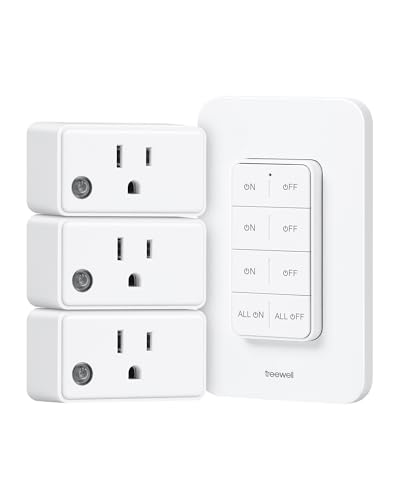
Utilitech 3-Outlet Remote Control Switch
Professional-grade wireless remote control system designed for multiple device operation. Features three independently controlled outlets with extended range capability and weather-resistant housing for versatile indoor and outdoor applications.
Key Features:
- Three independent outlet controls
- 100-foot wireless range
- Weather-resistant construction
- LED status indicators
- Memory retention technology
- One-touch programming
- Interference-free operation
- Energy-saving standby mode

Utilitech Single Device Remote Control Kit
Compact wireless remote control solution for single appliance operation. Offers reliable signal transmission with advanced coding technology and simple plug-and-play installation for immediate device control capabilities.
Key Features:
- Single device operation
- 75-foot transmission range
- Plug-and-play setup
- Signal encryption technology
- Compact receiver design
- Battery backup system
- Universal compatibility
Understanding Utilitech Remote Control Technology
The utilitech remote control system revolutionizes wireless device operation through advanced radio frequency technology and intelligent signal processing. These sophisticated control systems enable seamless management of electrical devices from considerable distances while maintaining reliable connection stability.
Modern utilitech remote control units incorporate frequency-hopping spread spectrum technology that prevents signal interference from other wireless devices. This ensures consistent performance even in environments with multiple competing radio signals.
Digital Signal Processing
The core of every utilitech remote control lies in its digital signal processing capabilities. Advanced microprocessors analyze and authenticate each transmitted command, preventing unauthorized access and ensuring only intended devices respond to control signals.
Signal authentication occurs through encrypted digital codes that change with each transmission. This rolling code technology makes utilitech remote control systems virtually immune to signal interception or duplication attempts.
Wireless Communication Protocols
Utilitech remote control devices utilize proprietary communication protocols optimized for home and commercial applications. These protocols balance signal strength, battery efficiency, and transmission reliability to deliver superior performance across various operating conditions.
The communication system automatically adjusts transmission power based on distance and environmental factors. This intelligent power management extends battery life while maintaining consistent control range throughout the device’s operational lifespan.
Programming Your Utilitech Remote Control System
Proper programming ensures your utilitech remote control operates at peak efficiency and maintains secure communication with connected devices. The programming process establishes unique identification codes and configures operational parameters for optimal performance.
Begin programming by placing the receiver unit in learning mode according to manufacturer specifications. Most utilitech remote control receivers feature dedicated programming buttons or switch combinations that activate the learning sequence.
Initial Setup Procedures
The initial setup process for your utilitech remote control requires careful attention to sequence and timing. Press and hold the programming button on the receiver until the status LED begins flashing, indicating readiness to accept new remote signals.
Within the specified time window, typically 10-15 seconds, press the desired button on your utilitech remote control transmitter. The receiver LED will change from flashing to solid, confirming successful code registration and programming completion.
Advanced Configuration Options
Advanced utilitech remote control models offer multiple configuration options including timer settings, sequential operation modes, and sensitivity adjustments. Access these features through specific button combinations detailed in your device manual.
Custom programming allows you to configure automatic shutoff timers and create complex operational sequences. These advanced features maximize energy efficiency and provide enhanced control over connected devices and power accessories.
Optimizing Wireless Range and Signal Strength
Maximizing the operational range of your utilitech remote control requires understanding radio frequency propagation and environmental factors that affect signal transmission. Strategic placement and proper antenna orientation significantly impact control distance and reliability.
Physical obstacles such as walls, metal structures, and electronic devices can reduce the effective range of your utilitech remote control. Position receivers in locations with minimal obstructions between the transmitter and receiving unit for optimal performance.
Environmental Factors
Weather conditions and atmospheric interference can temporarily affect utilitech remote control performance. High humidity, electrical storms, and temperature extremes may reduce signal range or cause intermittent operation issues.
Indoor environments present unique challenges including wireless network interference and electromagnetic radiation from household appliances. Position your utilitech remote control system away from routers, microwaves, and other 2.4GHz devices to minimize signal conflicts.
Range Extension Techniques
Several techniques can extend the effective range of your utilitech remote control beyond standard specifications. Elevating the receiver unit and ensuring clear line-of-sight paths dramatically improves signal transmission quality and distance.
Antenna orientation plays a crucial role in signal propagation. Most utilitech remote control units feature internal antennas that perform best when positioned vertically and away from metal surfaces that can cause signal reflection or absorption.
Troubleshooting Common Remote Control Issues
Effective troubleshooting of utilitech remote control problems requires systematic diagnosis and step-by-step resolution procedures. Most operational issues stem from battery depletion, signal interference, or programming errors that can be easily corrected.
Begin troubleshooting by checking battery voltage in your utilitech remote control transmitter. Low battery conditions often cause intermittent operation or reduced control range before complete failure occurs.
Signal Interference Problems
Signal interference represents the most common cause of utilitech remote control malfunctions. Identify potential interference sources including wireless routers, cordless phones, and neighboring remote control systems operating on similar frequencies.
Temporarily power down suspected interference sources to isolate the problem. If your utilitech remote control functionality improves, relocate either the control system or the interfering device to restore normal operation.
Programming and Synchronization Issues
Loss of synchronization between transmitter and receiver requires complete reprogramming of your utilitech remote control system. This typically occurs after extended periods of non-use or exposure to electromagnetic interference.
Reset both transmitter and receiver to factory defaults before attempting reprogramming. The universal remote functionality may require additional configuration steps compared to standard single-device controllers.
For complex installations, consider upgrading to more advanced wireless remote systems that offer enhanced interference rejection and expanded programming capabilities.
Maintenance and Battery Management
Regular maintenance ensures long-term reliability and optimal performance of your utilitech remote control system. Proper battery management and periodic cleaning prevent most common operational problems and extend device lifespan.
Establish a regular battery replacement schedule based on usage patterns and manufacturer recommendations. Most utilitech remote control transmitters provide low battery warnings through LED indicators or reduced operational range.
Battery Selection and Installation
Use only high-quality alkaline or lithium batteries in your utilitech remote control transmitter. Generic or low-quality batteries may provide insufficient voltage under load conditions, causing erratic operation or premature failure.
Install batteries with correct polarity orientation and ensure clean contact surfaces. Corrosion on battery terminals can cause intermittent connection problems that affect utilitech remote control reliability and performance.
Cleaning and Storage
Periodic cleaning of your utilitech remote control prevents button contamination and extends component life. Use isopropyl alcohol and soft cloths to clean exterior surfaces and remove accumulated dirt or moisture.
Proper storage during extended non-use periods preserves battery life and prevents damage from environmental factors. Remove batteries and store your utilitech remote control in dry, temperature-controlled environments away from direct sunlight.
Safety Considerations and Best Practices
Safe operation of utilitech remote control systems requires adherence to manufacturer guidelines and electrical safety practices. Proper installation and usage prevent equipment damage and ensure user safety during normal operation.
Never exceed the rated electrical capacity of your utilitech remote control receiver. Overloading can cause component failure, fire hazards, or damage to connected devices and electrical systems.
Electrical Safety Guidelines
Always disconnect power before installing or servicing utilitech remote control receivers. Use appropriate personal protective equipment and follow local electrical codes when making permanent installations.
Regularly inspect receiver units for signs of overheating, damage, or component deterioration. Replace any utilitech remote control components showing signs of wear or damage immediately to prevent safety hazards.
Installation Best Practices
Mount receivers in well-ventilated locations that allow adequate heat dissipation during operation. Avoid enclosed spaces or areas with restricted airflow that can cause component overheating and premature failure.
Use appropriate wire gauges and connection methods for permanent installations. Undersized wiring or poor connections can cause voltage drops that affect utilitech remote control performance and create fire hazards.
Frequently Asked Questions
Mastering Your Utilitech Remote Control System
Understanding the operation and capabilities of your utilitech remote control system empowers you to maximize its potential while ensuring safe, reliable performance. From initial programming through advanced configuration, proper setup procedures establish the foundation for years of trouble-free wireless device control.
Regular maintenance and adherence to best practices prevent most common operational issues while extending the lifespan of your investment. Battery management, environmental considerations, and systematic troubleshooting approaches resolve problems quickly and efficiently when they occur.
The versatility and convenience of modern utilitech remote control technology continues to evolve, offering enhanced features and improved reliability with each generation. By following the guidelines and techniques outlined in this comprehensive guide, you can achieve optimal performance from your wireless control system.
Whether managing single devices or complex multi-unit installations, your utilitech remote control system provides the flexibility and convenience that modern lifestyles demand. Proper understanding and application of these wireless control principles ensure maximum benefit from this valuable technology investment.